 Reviews

 Proudly American
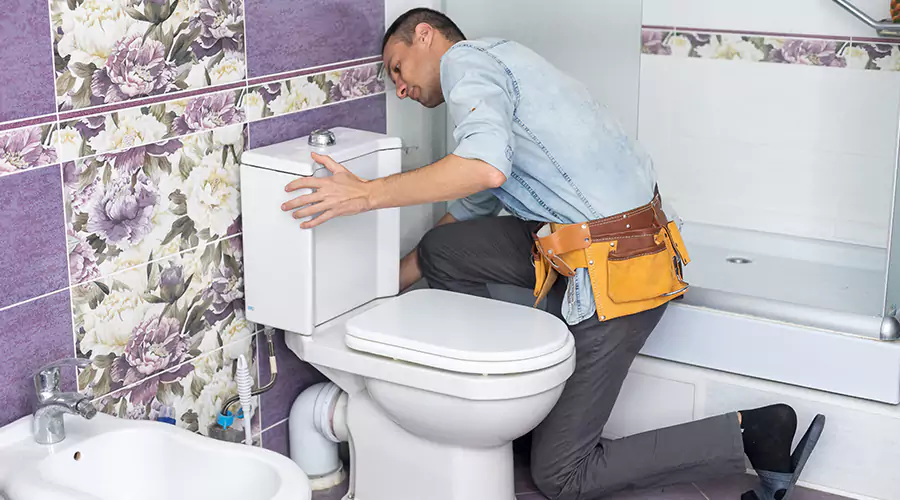
Toilet leaks are one of the most common plumbing issues in residential homes. Many homeowners, however, fail to notice them until significant damage occurs. A leaking toilet not only wastes water and increases your utility bills but can also cause water damage to floors, walls, and subfloor structures. Early identification and timely repair are essential to prevent costly problems and maintain a safe, efficient plumbing system.
This guide explains the main causes of toilet leaks, the warning signs homeowners should watch for, and practical steps to detect and fix leaks before they escalate into more serious issues.
Common Causes of Toilet Leaks
Understanding why toilets leak helps homeowners address the problem effectively and prevent recurring issues. Some of the most common causes include:
1. Worn or Faulty Flapper
The flapper is the rubber valve that controls water flow from the tank to the bowl during a flush. Over time, it can become warped, cracked, or misaligned. A worn flapper allows water to continuously leak from the tank, wasting gallons of water daily. Regular inspection and timely replacement of the flapper can prevent this common leak.
2. Loose or Damaged Fill Valve
The fill valve regulates water entering the tank after each flush. Leaks can occur if the valve is worn, cracked, or improperly installed. A malfunctioning fill valve may cause the tank to overfill or continuously trickle water into the bowl.
3. Cracked Toilet Tank or Bowl
Cracks can develop in older porcelain tanks or bowls due to wear, accidental impact, or shifting subflooring. Even small cracks may cause slow leaks that worsen over time, potentially leading to water damage on floors and ceilings below.
4. Faulty Wax Seal
Toilet repair is essential when you notice issues like toilet leaks, a leaking toilet, a running toilet, or toilet water leakage, as these problems are often caused by a faulty flapper, fill valve problems, a wax seal leak, or even a cracked toilet tank. Water around the toilet base, also called toilet base water, is a common sign of bathroom plumbing issues and plumbing leaks that can lead to serious water wastage if not fixed on time.
5. Loose or Corroded Connections
Bolts and water supply lines that secure the toilet can loosen over time. Corrosion on metal connections may lead to persistent, slow leaks. Tightening or replacing worn hardware is often necessary to maintain a secure, leak-free toilet installation.
6. Condensation
High humidity, cold water, or poorly insulated tanks can cause condensation to form on the exterior of the toilet. While this is not a plumbing fault, standing water from condensation can appear as a leak and contribute to moisture-related damage if left unchecked.
Early Warning Signs of a Toilet Leak
Homeowners can prevent major problems by identifying leaks early. Some common warning signs include:
- Constant running water sound in the toilet tank
- Water pooling around the base of the toilet
- Fluctuating water levels in the tank
- Water discoloration or foul odors in the bowl
- Higher-than-usual water bills without increased usage
Recognizing these signs early allows homeowners to address minor issues before they lead to extensive damage or high repair costs.
How to Detect Toilet Leaks
1. The Food Coloring Test
Add a few drops of food coloring to the toilet tank. Wait 15–30 minutes without flushing. If colored water appears in the bowl, the flapper or internal seal is leaking. This simple test quickly identifies hidden leaks that may not be visible.
2. Inspect Water Supply Lines and Connections
Check for moisture or corrosion at the base and behind the toilet. Tighten loose bolts and replace damaged lines to prevent ongoing leaks.
3. Check for Cracks
Examine the tank, bowl, and surrounding floor for visible cracks or water damage. Even minor cracks should be monitored and repaired promptly to prevent escalation.
4. Monitor Water Usage
Unexplained increases in water bills may indicate a hidden toilet leak. Homeowners can track water meter readings before and after a 2-hour period without water usage to identify continuous water loss.
Preventive Measures for Homeowners
To minimize the risk of toilet leaks and maintain proper function, homeowners should:
- Replace worn flappers and faulty fill valves promptly
- Ensure proper installation of wax seals during toilet replacement or repairs
- Tighten or replace corroded bolts and water supply lines
- Regularly inspect for cracks, leaks, or condensation
- Schedule professional plumbing inspections to catch hidden issues early
Why Professional Plumbing Assistance Matters
While some minor leaks can be addressed by homeowners, professional plumbers provide expertise in detecting and repairing toilet leaks safely and effectively:
- Accurate diagnosis of hidden leaks in tanks, bowls, or sewer connections
- Safe replacement of flappers, fill valves, wax seals, and supply lines
- Ensuring water pipe installations connected to toilets are secure and leak-free
- Offering preventive maintenance tips to avoid recurring leaks
Professional intervention ensures that repairs are thorough, preventing water waste, property damage, and recurring problems.
Conclusion
Toilet leaks are more than a minor inconvenience—they waste water, increase bills, and can cause structural damage if ignored. Common causes include worn flappers, faulty fill valves, cracks, deteriorating wax seals, and loose or corroded connections. Condensation can also mimic leaks and contribute to moisture issues.
By recognizing early warning signs, performing simple detection tests, and scheduling professional plumbing inspections, homeowners can prevent costly repairs, maintain water efficiency, and ensure their toilet system operates reliably. Regular inspections and timely repairs protect both your home and plumbing system.
Inspect your toilets regularly and call a professional plumber at the first sign of a leak to safeguard your home, reduce water waste, and maintain a safe, efficient plumbing system.